
The EU AI Act 2025: A Turning Point in AI Regulation
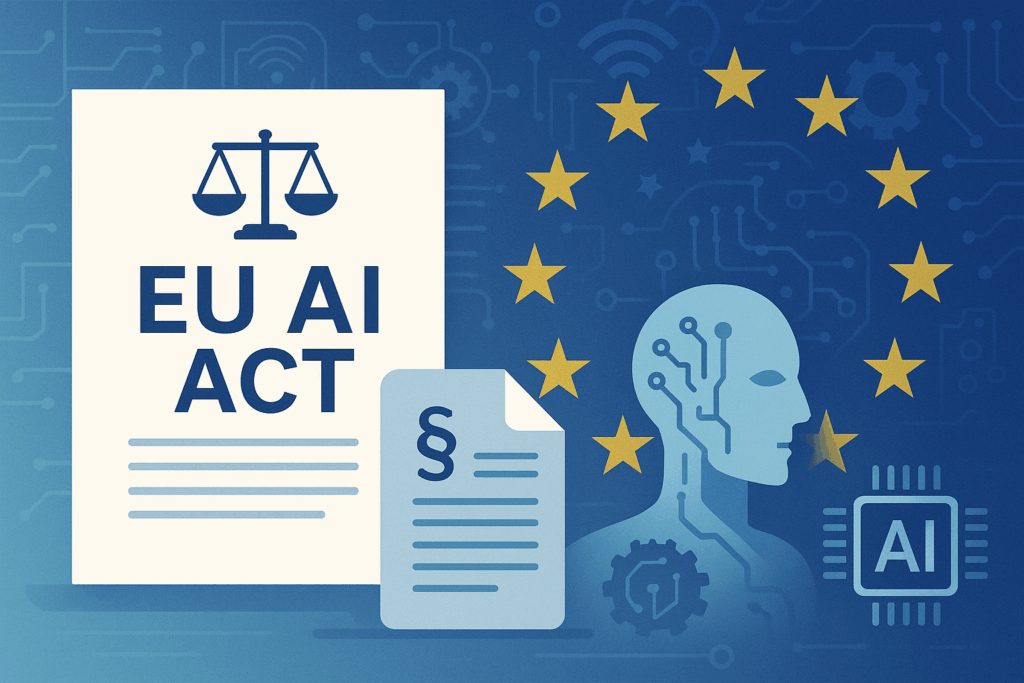
The EU AI Act, now in phased implementation through 2027, introduces a risk-based regulatory framework for artificial intelligence, setting strict compliance rules for high-risk systems and general-purpose AI across the European Union.
Shadow AI in the Workplace

Shadow AI refers to the unsanctioned use of AI tools by employees without organizational oversight. This article explores the risks it poses to compliance and data protection, and provides practical steps to detect and govern its use responsibly—ensuring alignment with the GDPR, the EU AI Act, and internal policies.
AI Act Update: GPAI Code of Practice Not Finalized
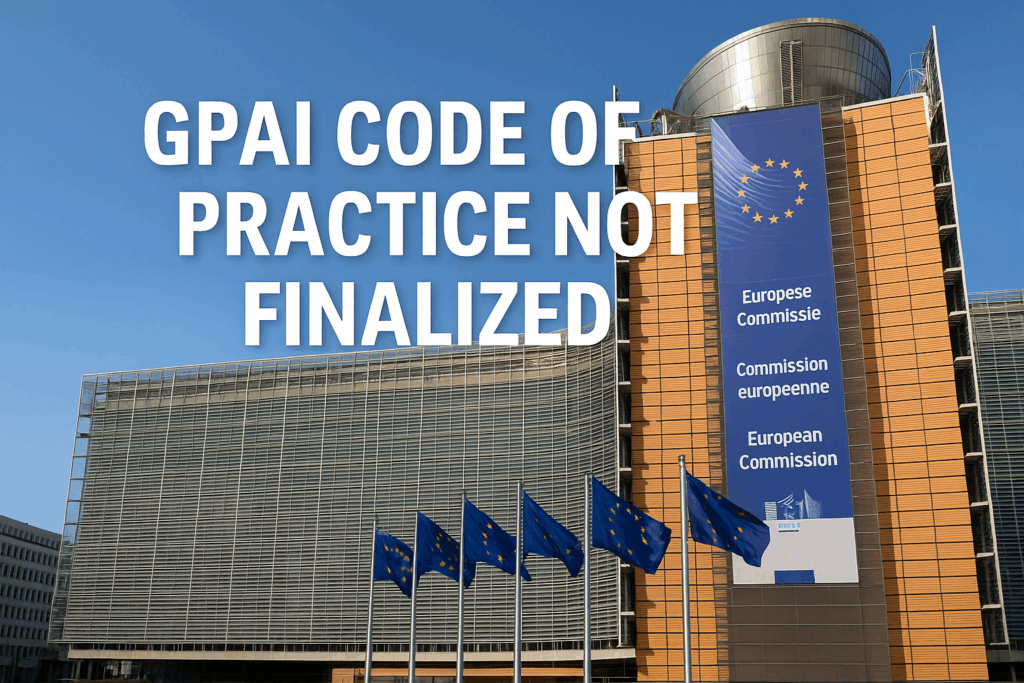
As of May 2, 2025, the EU has not finalized its General-Purpose AI Code of Practice, a key milestone under the AI Act. While the European Commission promises publication before August, the delay reflects mounting tensions between regulation, industry lobbying, and international pressure in shaping AI governance across the EU.
Understanding AI: Definitions, Types, and Governance Implications

Understanding AI is crucial as it transforms industries, automates tasks, and reshapes decision-making. This article explores AI’s definitions, key types, real-world applications, and emerging trends, highlighting its differences from traditional software and the governance frameworks ensuring its responsible development and use.
Revoking Executive Order 14110

The revocation of Executive Order 14110 has sparked debate about the future of AI governance in the US. While deregulation may boost innovation, the lack of federal oversight raises concerns about ethics, security, and global leadership in AI policy. Discover the full story and its implications in my latest article.