
Trump’s America’s AI Action Plan
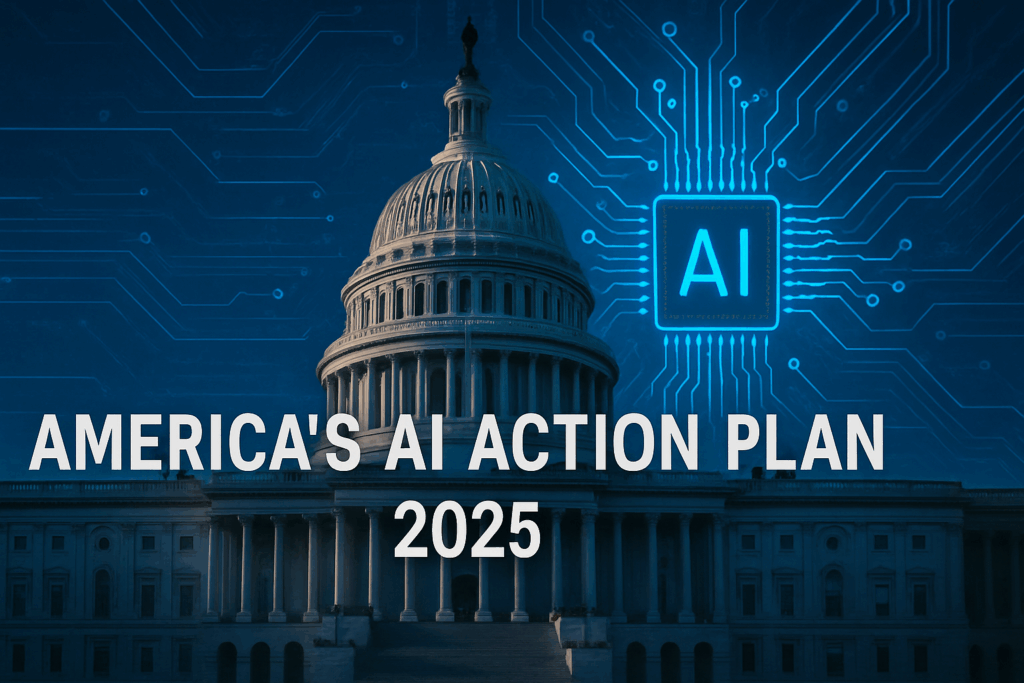
The U.S. unveiled a sweeping new AI strategy this week. Trump’s AI Action Plan marks a major shift in federal policy with global implications.
AI Compliance Blind Spots in Finance

Many financial firms deploy AI without adequate oversight, exposing themselves to EU AI Act penalties. This article highlights key governance gaps in finance and outlines practical steps to strengthen compliance before enforcement escalates.
The AI Revolution in Marketing

AI is transforming how marketers create, optimize, and deliver content. By focusing on user intent, personalization, and ethical automation, businesses can future-proof their SEO strategies and stay competitive in a rapidly evolving digital landscape.
AI Act Update: GPAI Code of Practice Not Finalized
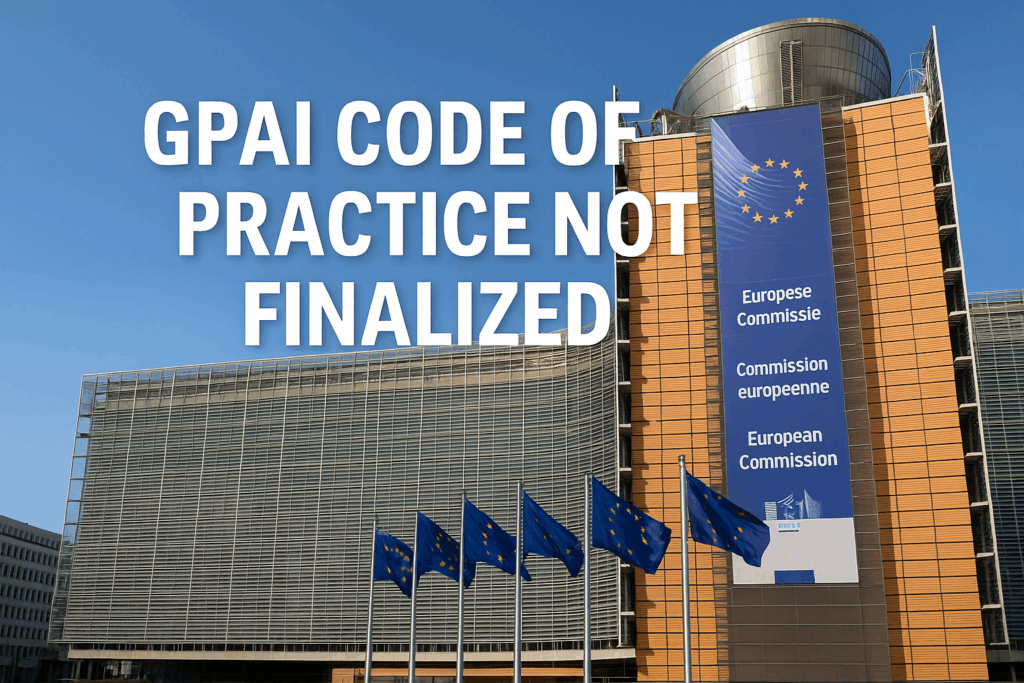
As of May 2, 2025, the EU has not finalized its General-Purpose AI Code of Practice, a key milestone under the AI Act. While the European Commission promises publication before August, the delay reflects mounting tensions between regulation, industry lobbying, and international pressure in shaping AI governance across the EU.
Innovation Regulation in AI Governance
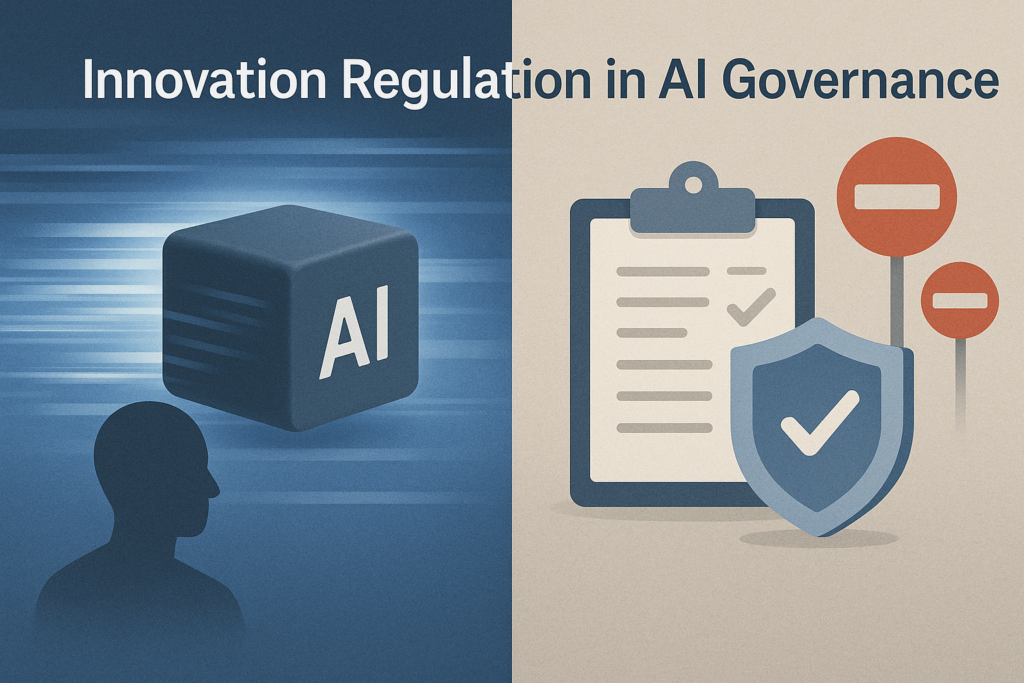
In AI governance, innovation and regulation often collide. While rapid development drives progress, regulatory frameworks demand caution, clarity, and control. This article explores the Innovation Regulation Paradox—how the push for speed can be hindered by compliance needs. It offers strategies for integrating governance into development, enabling responsible innovation without sacrificing agility. The final piece in our paradox series.
The Global Local Regulatory Paradox in AI Governance

AI systems are global, but the laws that govern them are local. The Global Local Regulatory Paradox explores the compliance challenges this creates—and how organizations can build adaptive governance frameworks to manage fragmented regulatory demands across jurisdictions.
The Autonomy Accountability Paradox
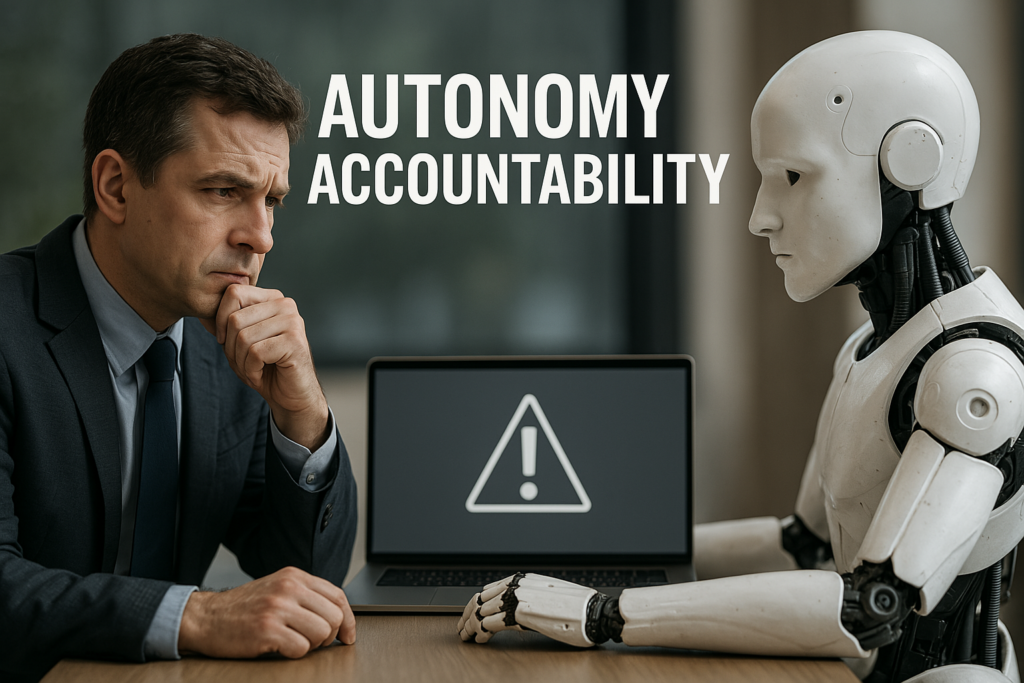
As AI systems take on more decision-making power, humans remain legally and ethically responsible for their outcomes. This disconnect—known as the Autonomy Accountability Paradox—raises urgent questions about control, liability, and governance in an increasingly automated world.
Responsible AI Principles: Ensuring Fairness, Safety, and Transparency in AI Systems

Responsible AI principles ensure fairness, safety, transparency, and accountability in AI systems. By addressing bias, enhancing security, and maintaining human oversight, organizations can build ethical AI that aligns with societal values. Strong governance and continuous monitoring help mitigate risks, fostering trust in AI’s role in critical decision-making and daily life.
Understanding AI: Definitions, Types, and Governance Implications

Understanding AI is crucial as it transforms industries, automates tasks, and reshapes decision-making. This article explores AI’s definitions, key types, real-world applications, and emerging trends, highlighting its differences from traditional software and the governance frameworks ensuring its responsible development and use.