Trump’s America’s AI Action Plan

The U.S. unveiled a sweeping new AI strategy this week. Trump’s AI Action Plan marks a major shift in federal policy with global implications.
AI Compliance Blind Spots in Finance

Many financial firms deploy AI without adequate oversight, exposing themselves to EU AI Act penalties. This article highlights key governance gaps in finance and outlines practical steps to strengthen compliance before enforcement escalates.
The AI Revolution in Marketing

AI is transforming how marketers create, optimize, and deliver content. By focusing on user intent, personalization, and ethical automation, businesses can future-proof their SEO strategies and stay competitive in a rapidly evolving digital landscape.
The Importance of AI Governance Roles

AI governance depends on the collaborative roles of developers, deployers, and users throughout the AI system lifecycle. This article explores how each contributes to ethical, accountable AI and why their coordination is essential. It’s a must-read for anyone preparing for the AIGP exam or working with real-world AI systems.
AI Persona Rights: Who Owns Your Digital Clone?

AI personas are revolutionizing identity in the digital age—but at what cost? This article explores the legal, privacy, and ethical risks of cloning your voice, face, or personality. From unclear ownership rights to data misuse, learn why protecting your digital self has never been more critical.
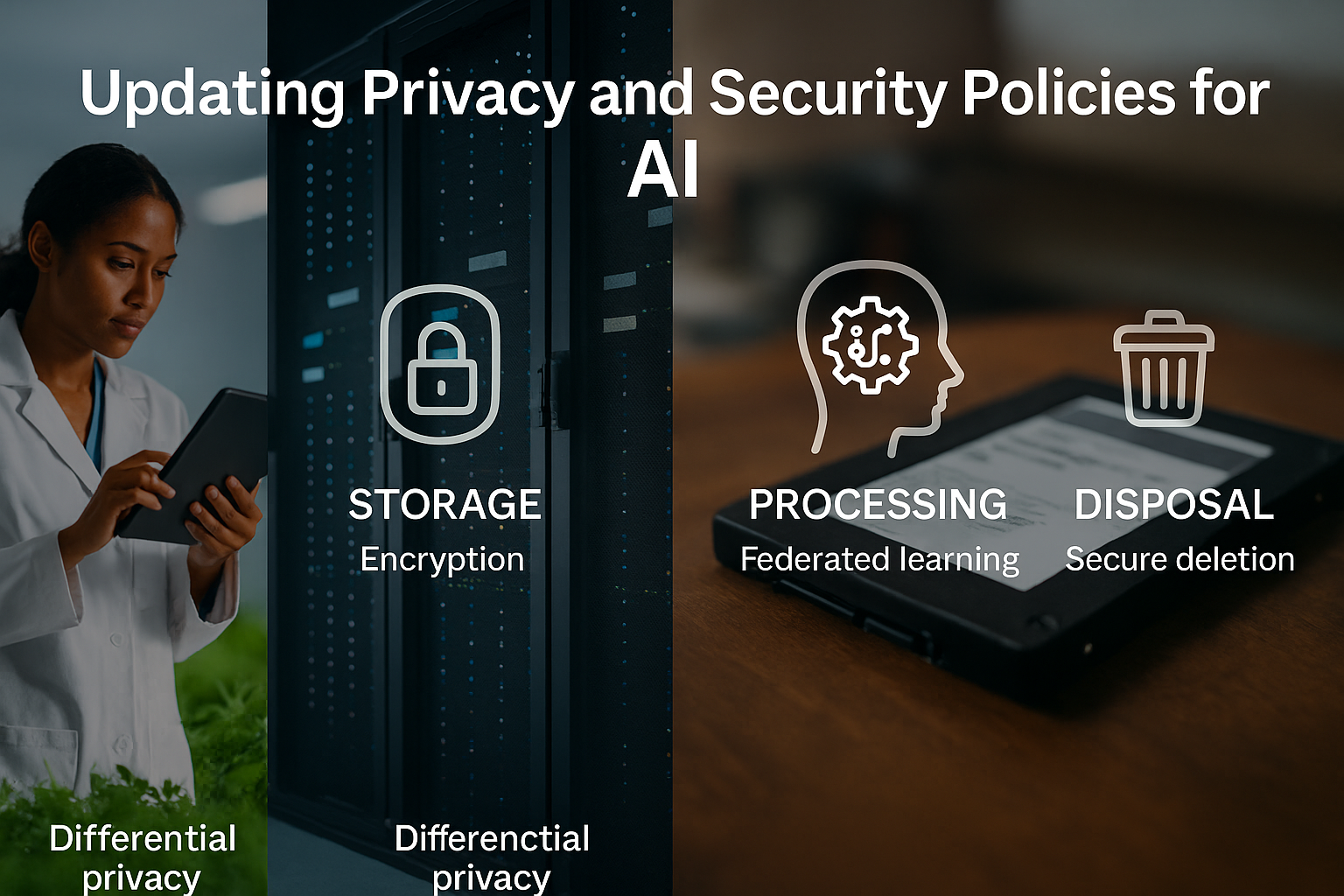
Updating Policies for AI Privacy and Security

AI introduces privacy and security risks traditional policies can’t handle. This article explains how to update your policies to address AI-specific challenges, from re-identification and model attacks to compliance with the EU AI Act and NIST guidelines.
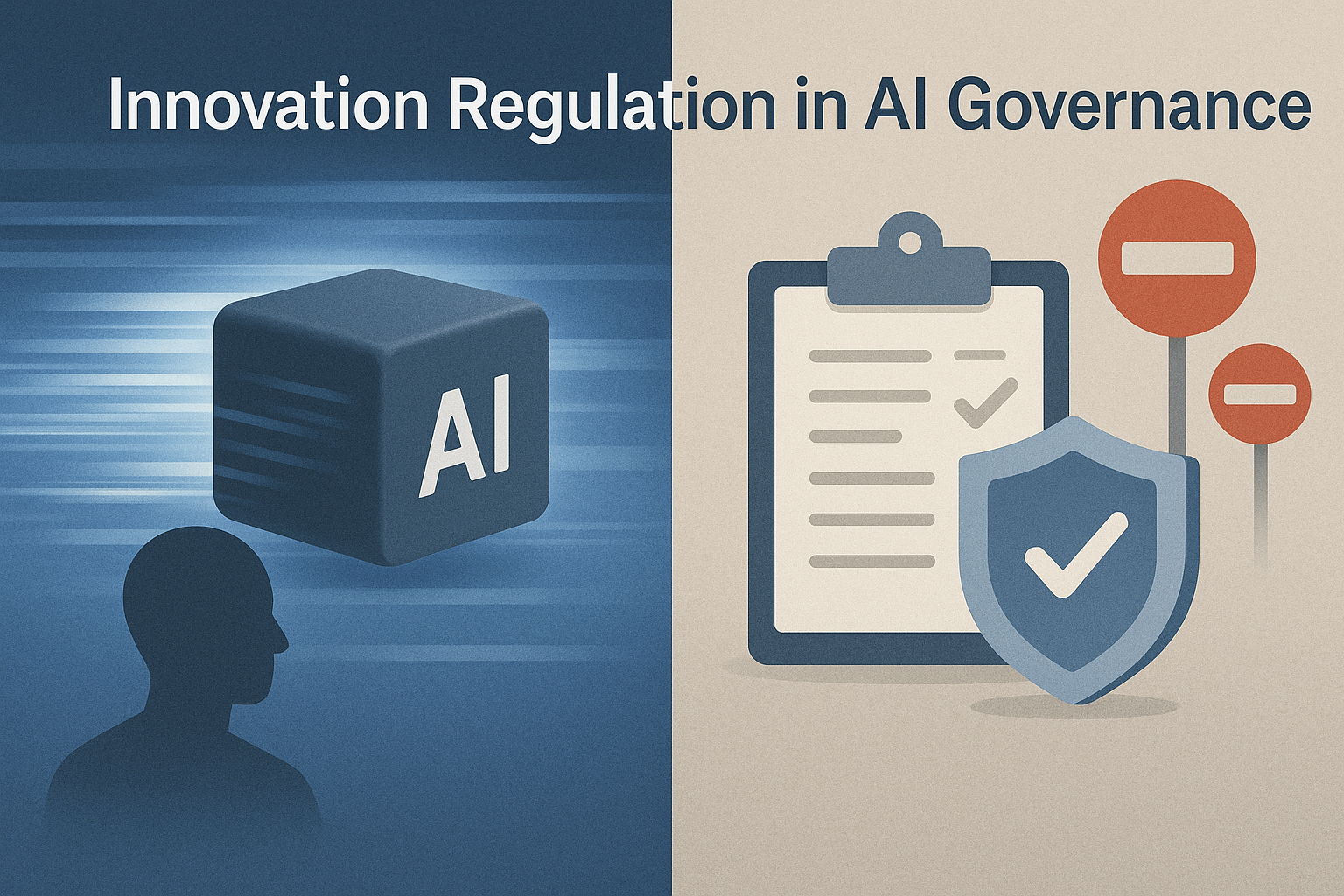
Innovation Regulation in AI Governance

In AI governance, innovation and regulation often collide. While rapid development drives progress, regulatory frameworks demand caution, clarity, and control. This article explores the Innovation Regulation Paradox—how the push for speed can be hindered by compliance needs. It offers strategies for integrating governance into development, enabling responsible innovation without sacrificing agility. The final piece in our paradox series.
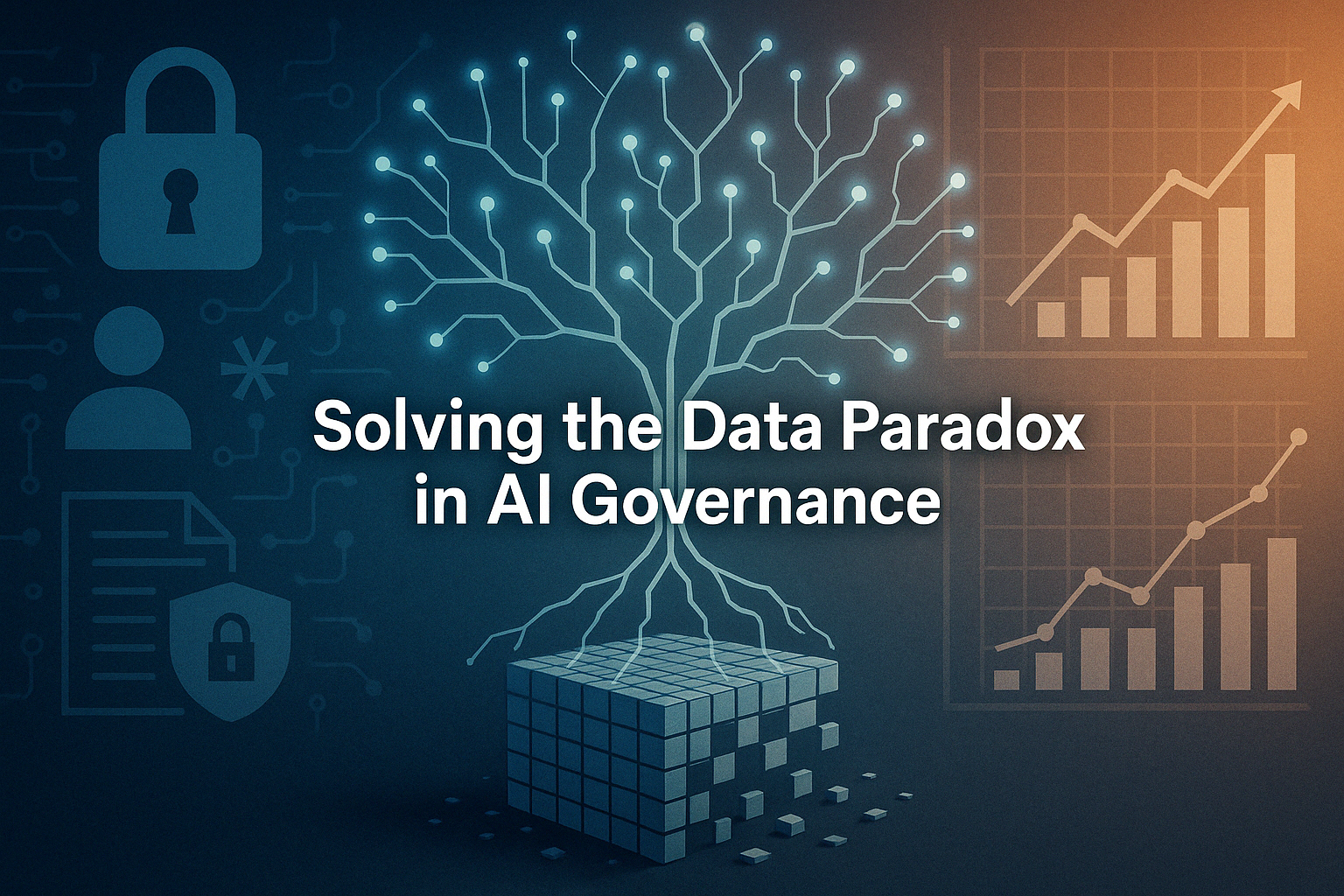
Solving the Data Paradox in AI Governance

AI systems require vast datasets to perform effectively, yet privacy laws demand minimization, purpose limitation, and short retention. This article explores how organizations can reconcile these conflicting imperatives—balancing legal compliance with technical performance—through strategic governance, privacy-preserving techniques, and proactive design principles that embed ethical data use into AI development.
The Global Local Regulatory Paradox in AI Governance

AI systems are global, but the laws that govern them are local. The Global Local Regulatory Paradox explores the compliance challenges this creates—and how organizations can build adaptive governance frameworks to manage fragmented regulatory demands across jurisdictions.