
Navigating the Transparency Paradox in AI Governance

The rise of artificial intelligence has introduced a wave of global regulatory frameworks, all demanding greater transparency. At the same time, companies are under increasing pressure to protect the intellectual property behind their AI models. These two forces are fundamentally at odds, creating what has become known as the Transparency Paradox. This paradox is just […]
The Challenges of AI Compliance

AI compliance ensures transparency, accountability, and fairness in automated systems. Addressing challenges such as explainability, bias, and rapid evolution requires regulatory oversight and ethical considerations. Governance frameworks must evolve to mitigate risks while supporting responsible AI development and deployment.
EU AI Liability Directive Withdrawal: A Political Move in the AI Race
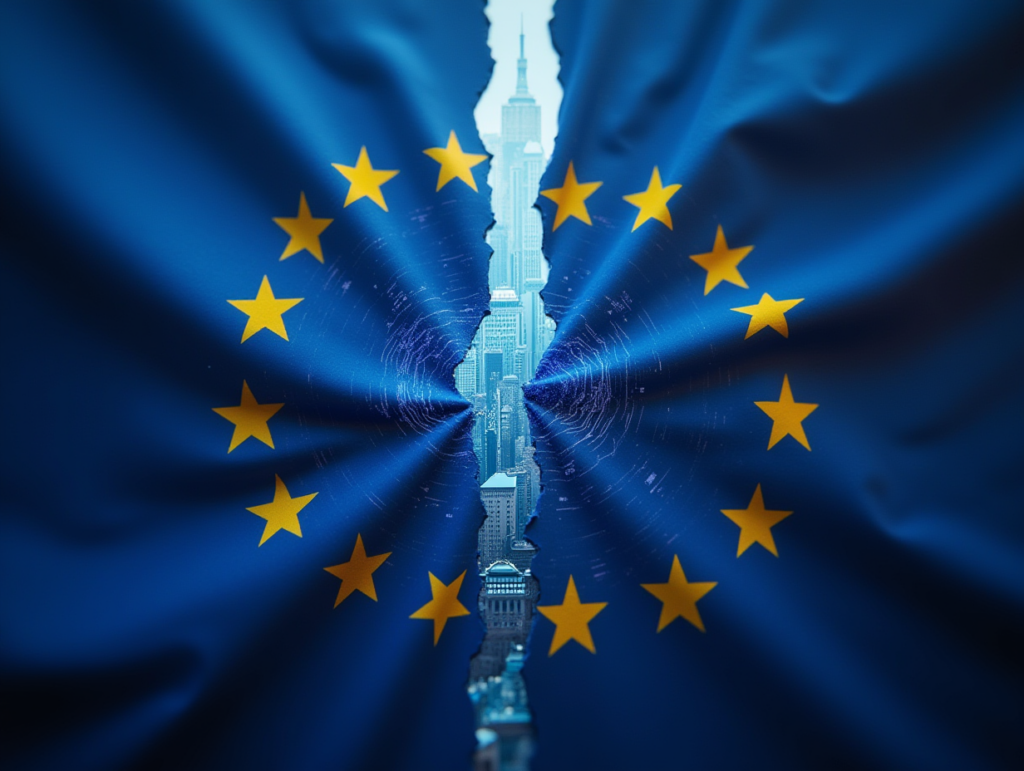
The EU’s withdrawal of the AI Liability Directive creates legal uncertainty and weakens AI accountability. This article explores the political motivations, regulatory impact, and what must happen next for responsible AI governance.
The Forgotten EO: The Rescission of Executive Order 14091
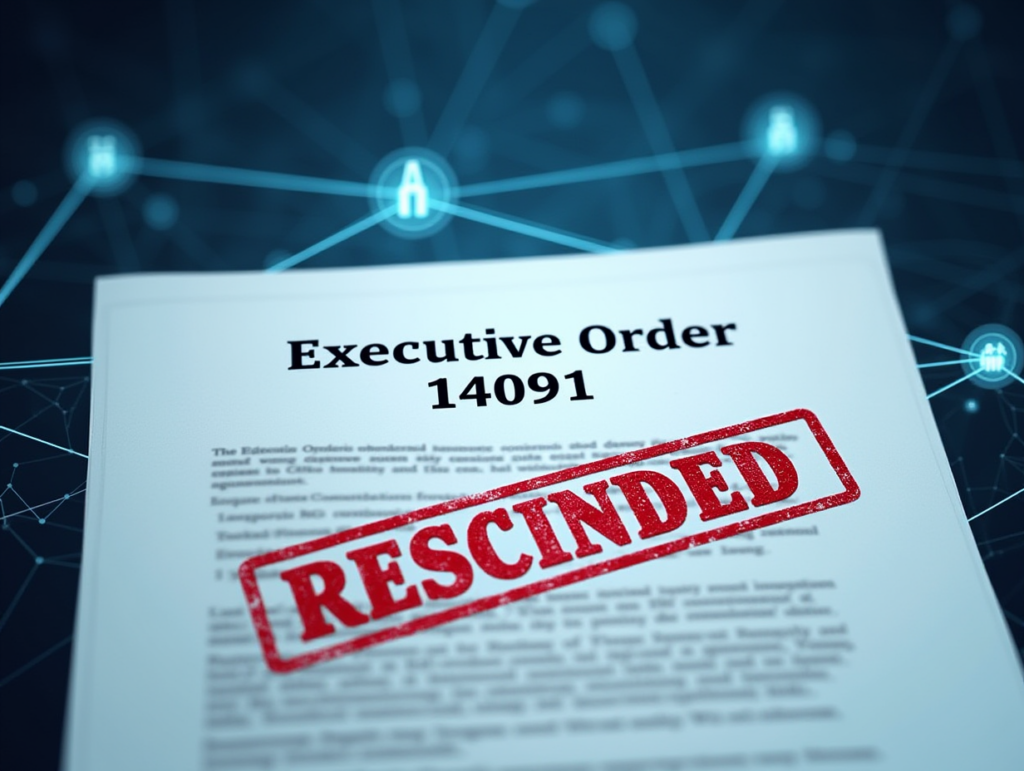
The rescission of Executive Order 14091 has been largely overlooked, yet it played a key role in AI fairness and equity assessments in federal agencies. With its repeal, bias evaluations and oversight in AI governance are no longer required, signaling a shift toward deregulation.
First EU AI Act Rules Now Apply: What Companies Must Know
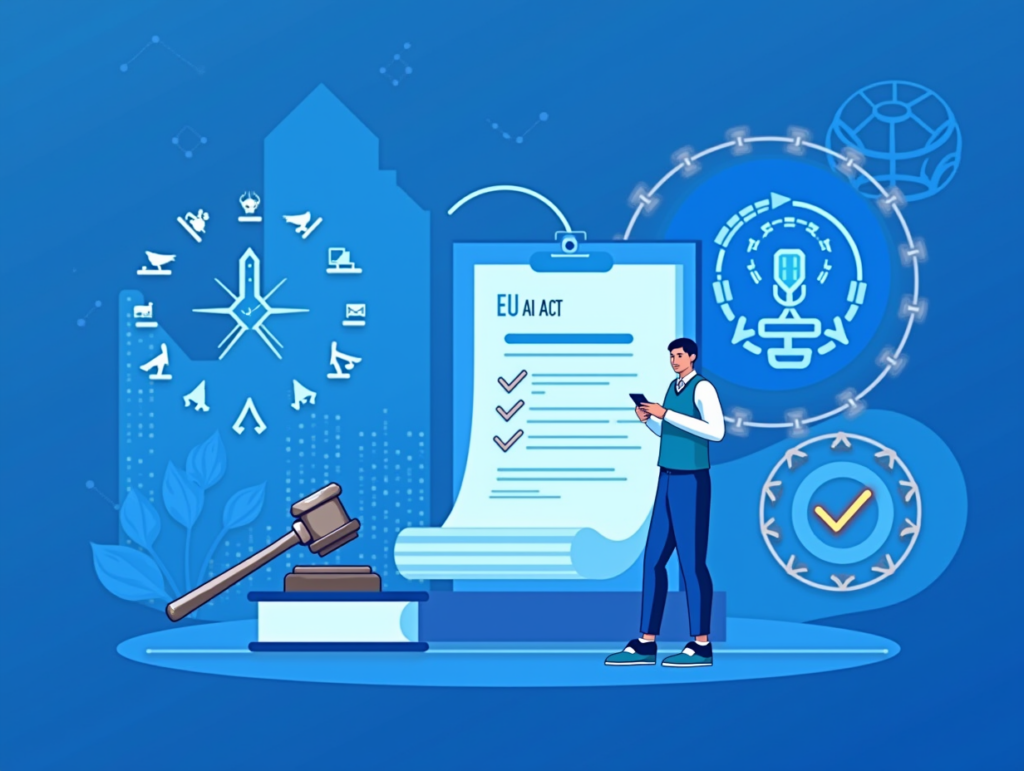
The first EU AI Act rules took effect on February 2, 2025, requiring companies to ensure AI literacy and eliminate prohibited AI practices. This article explains the key changes, compliance risks, and upcoming regulatory deadlines.
Revoking Executive Order 14110

The revocation of Executive Order 14110 has sparked debate about the future of AI governance in the US. While deregulation may boost innovation, the lack of federal oversight raises concerns about ethics, security, and global leadership in AI policy. Discover the full story and its implications in my latest article.
Understanding AI Agents and Their Impact on Society

AI agents are reshaping industries and daily life with their ability to automate tasks, make decisions, and adapt to changing conditions. While their potential is transformative—revolutionising healthcare, energy, and agriculture—they also pose risks to privacy, jobs, and accountability. This article explores both the opportunities and dangers of AI agents, highlighting the critical role of governance and the growing field of AI governance professionals in ensuring these technologies benefit society responsibly.
Comparing U.S. and EU Approaches to AI

With the U.S. focusing on AI innovation and the EU emphasizing regulation, their approaches to artificial intelligence highlight different priorities. This article explores whether these contrasting visions will lead to competition or convergence, as both regions seek to balance technological advancement with ethical standards in shaping the global future of AI.
The EU AI Act – Recent Developments and Future Timeline
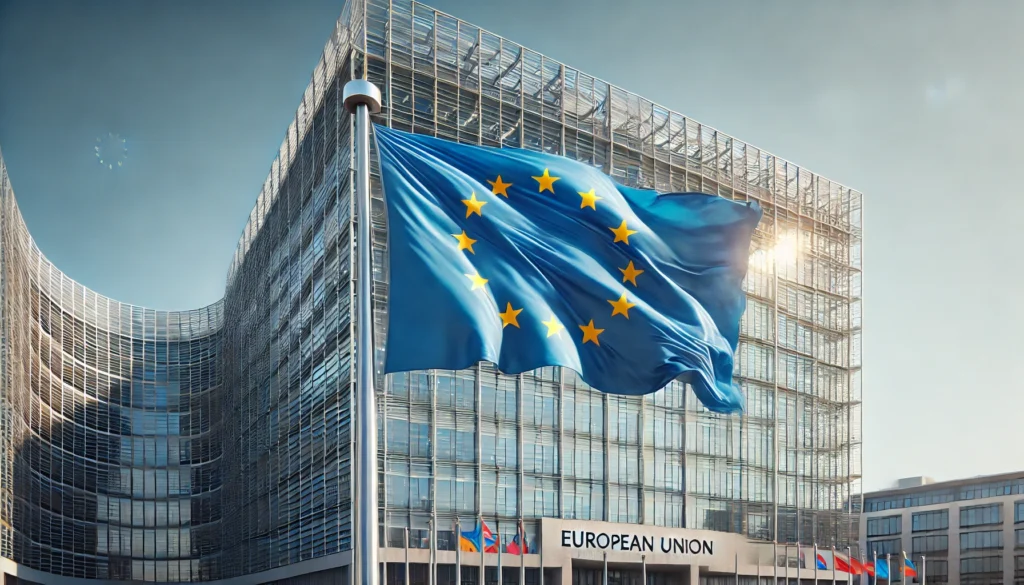
The EU AI Act was published last week, marking a significant step in AI regulation. This article provides an overview of the Act’s key events, its future timeline, and the implications for businesses and innovation in the AI sector. Stay informed on how this comprehensive regulatory framework will shape the future of artificial intelligence in Europe.