
AI Compliance Blind Spots in Finance

Many financial firms deploy AI without adequate oversight, exposing themselves to EU AI Act penalties. This article highlights key governance gaps in finance and outlines practical steps to strengthen compliance before enforcement escalates.
Shadow AI in the Workplace

Shadow AI refers to the unsanctioned use of AI tools by employees without organizational oversight. This article explores the risks it poses to compliance and data protection, and provides practical steps to detect and govern its use responsibly—ensuring alignment with the GDPR, the EU AI Act, and internal policies.
Updating Policies for AI Privacy and Security
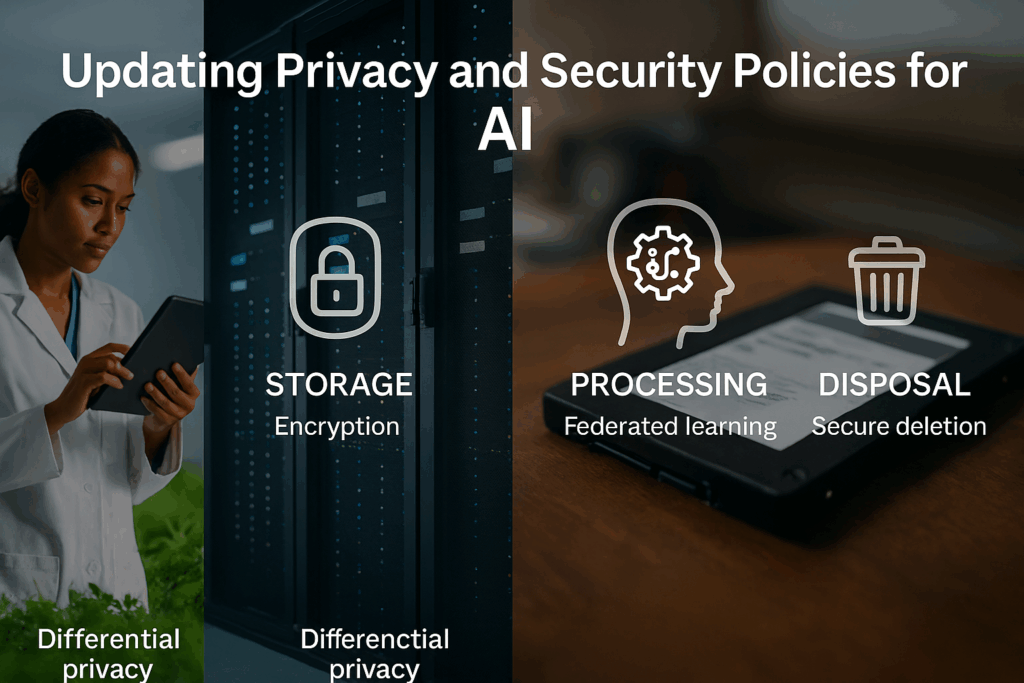
AI introduces privacy and security risks traditional policies can’t handle. This article explains how to update your policies to address AI-specific challenges, from re-identification and model attacks to compliance with the EU AI Act and NIST guidelines.
AI Act Update: GPAI Code of Practice Not Finalized
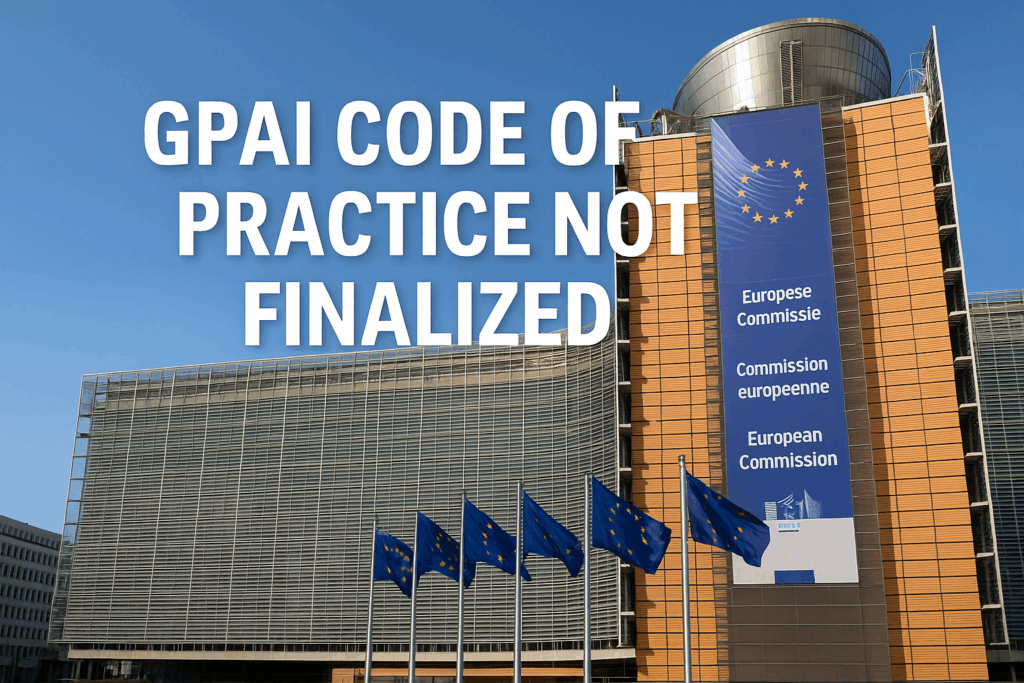
As of May 2, 2025, the EU has not finalized its General-Purpose AI Code of Practice, a key milestone under the AI Act. While the European Commission promises publication before August, the delay reflects mounting tensions between regulation, industry lobbying, and international pressure in shaping AI governance across the EU.
Innovation Regulation in AI Governance
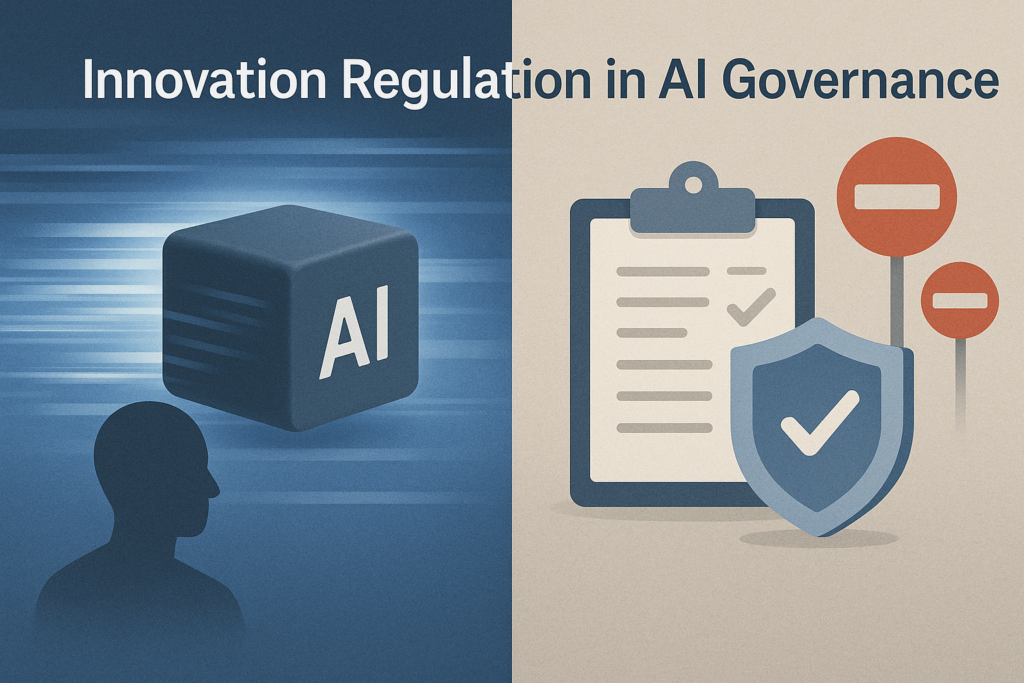
In AI governance, innovation and regulation often collide. While rapid development drives progress, regulatory frameworks demand caution, clarity, and control. This article explores the Innovation Regulation Paradox—how the push for speed can be hindered by compliance needs. It offers strategies for integrating governance into development, enabling responsible innovation without sacrificing agility. The final piece in our paradox series.
Solving the Data Paradox in AI Governance
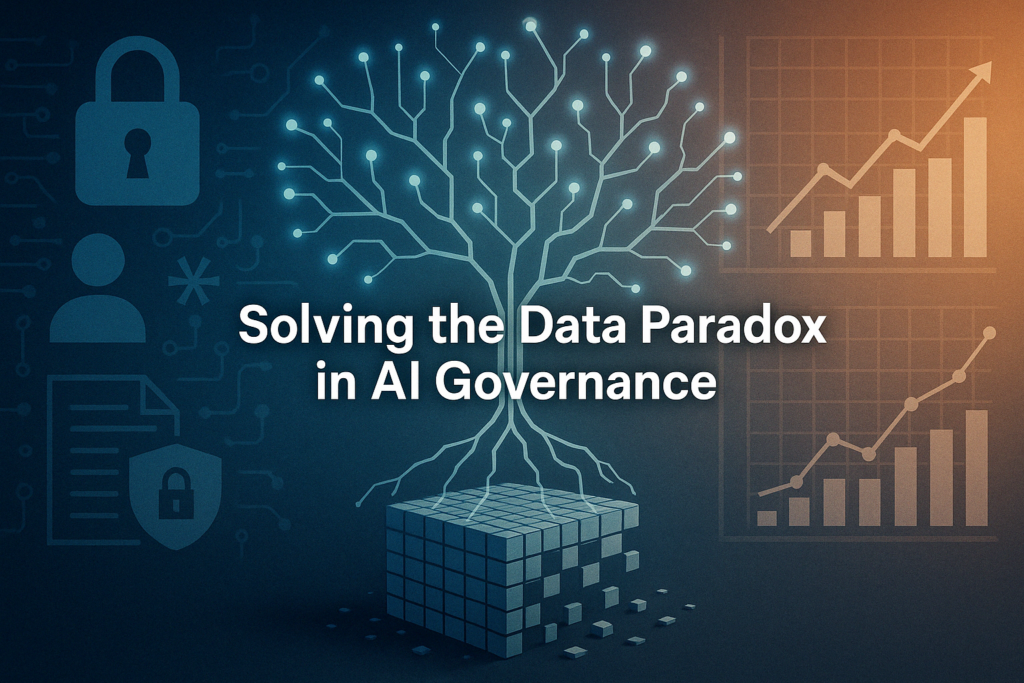
AI systems require vast datasets to perform effectively, yet privacy laws demand minimization, purpose limitation, and short retention. This article explores how organizations can reconcile these conflicting imperatives—balancing legal compliance with technical performance—through strategic governance, privacy-preserving techniques, and proactive design principles that embed ethical data use into AI development.
The Autonomy Accountability Paradox
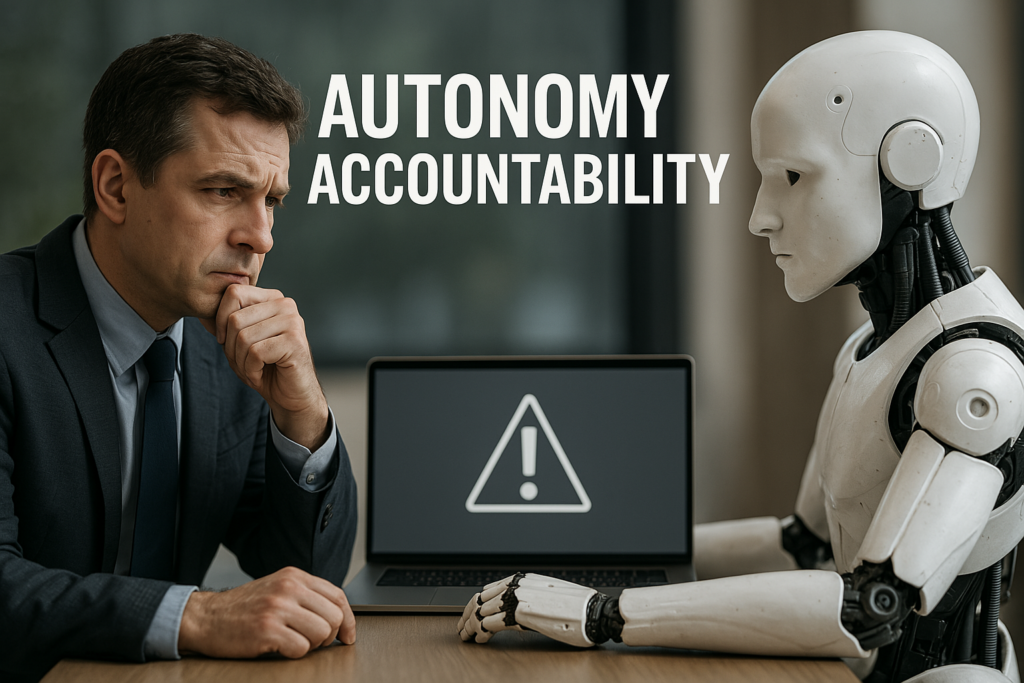
As AI systems take on more decision-making power, humans remain legally and ethically responsible for their outcomes. This disconnect—known as the Autonomy Accountability Paradox—raises urgent questions about control, liability, and governance in an increasingly automated world.
Navigating the Transparency Paradox in AI Governance

The rise of artificial intelligence has introduced a wave of global regulatory frameworks, all demanding greater transparency. At the same time, companies are under increasing pressure to protect the intellectual property behind their AI models. These two forces are fundamentally at odds, creating what has become known as the Transparency Paradox. This paradox is just […]
The Challenges of AI Compliance

AI compliance ensures transparency, accountability, and fairness in automated systems. Addressing challenges such as explainability, bias, and rapid evolution requires regulatory oversight and ethical considerations. Governance frameworks must evolve to mitigate risks while supporting responsible AI development and deployment.