
The EU AI Act 2025: A Turning Point in AI Regulation
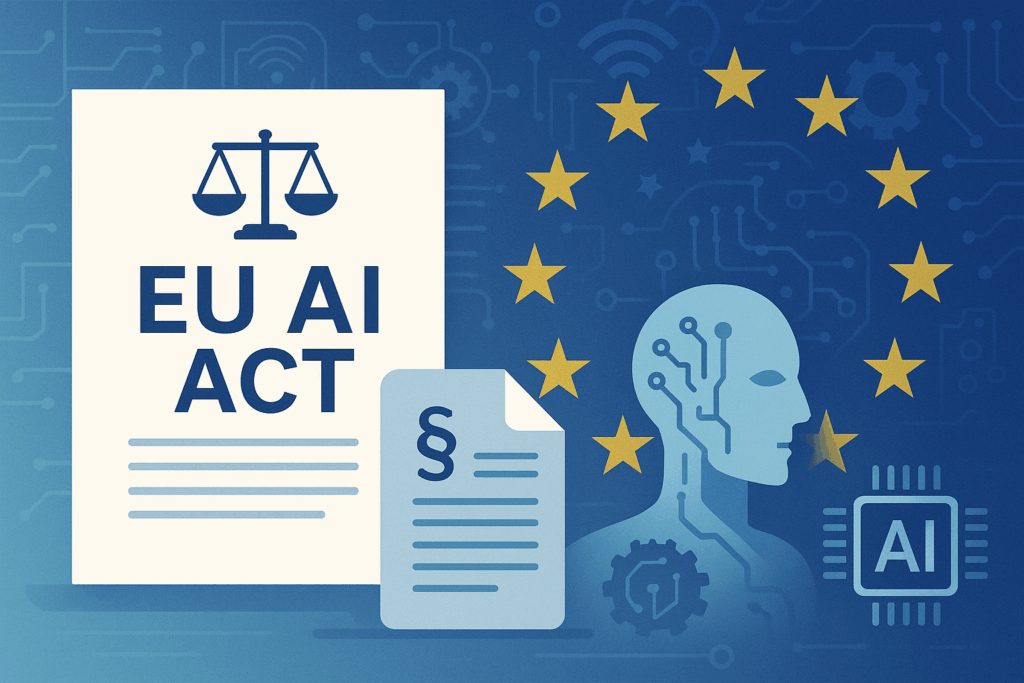
The EU AI Act, now in phased implementation through 2027, introduces a risk-based regulatory framework for artificial intelligence, setting strict compliance rules for high-risk systems and general-purpose AI across the European Union.
AI Act Update: GPAI Code of Practice Not Finalized
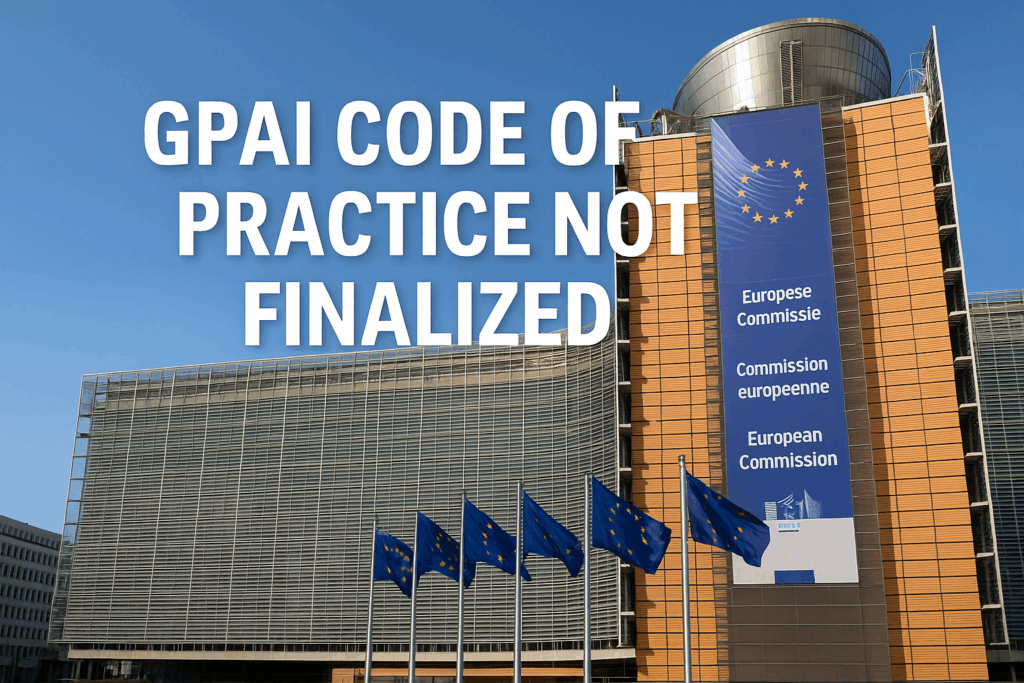
As of May 2, 2025, the EU has not finalized its General-Purpose AI Code of Practice, a key milestone under the AI Act. While the European Commission promises publication before August, the delay reflects mounting tensions between regulation, industry lobbying, and international pressure in shaping AI governance across the EU.
Innovation Regulation in AI Governance
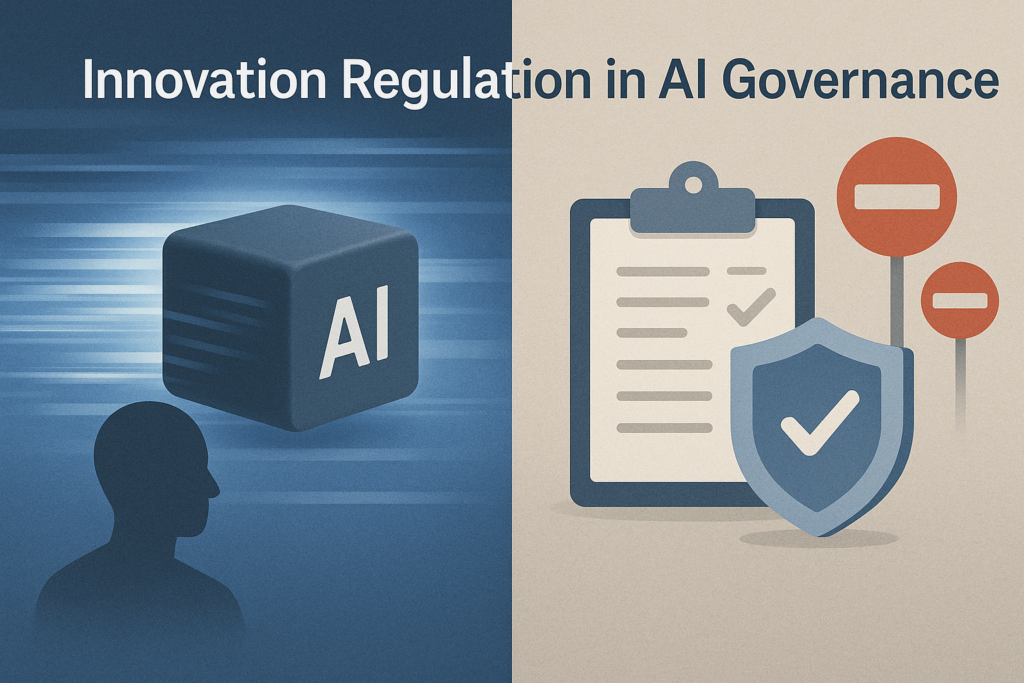
In AI governance, innovation and regulation often collide. While rapid development drives progress, regulatory frameworks demand caution, clarity, and control. This article explores the Innovation Regulation Paradox—how the push for speed can be hindered by compliance needs. It offers strategies for integrating governance into development, enabling responsible innovation without sacrificing agility. The final piece in our paradox series.
The Global Local Regulatory Paradox in AI Governance

AI systems are global, but the laws that govern them are local. The Global Local Regulatory Paradox explores the compliance challenges this creates—and how organizations can build adaptive governance frameworks to manage fragmented regulatory demands across jurisdictions.
First EU AI Act Rules Now Apply: What Companies Must Know

The first EU AI Act rules took effect on February 2, 2025, requiring companies to ensure AI literacy and eliminate prohibited AI practices. This article explains the key changes, compliance risks, and upcoming regulatory deadlines.
Understanding AI Agents and Their Impact on Society

AI agents are reshaping industries and daily life with their ability to automate tasks, make decisions, and adapt to changing conditions. While their potential is transformative—revolutionising healthcare, energy, and agriculture—they also pose risks to privacy, jobs, and accountability. This article explores both the opportunities and dangers of AI agents, highlighting the critical role of governance and the growing field of AI governance professionals in ensuring these technologies benefit society responsibly.
Comparing U.S. and EU Approaches to AI

With the U.S. focusing on AI innovation and the EU emphasizing regulation, their approaches to artificial intelligence highlight different priorities. This article explores whether these contrasting visions will lead to competition or convergence, as both regions seek to balance technological advancement with ethical standards in shaping the global future of AI.
The EU AI Act – Recent Developments and Future Timeline

The EU AI Act was published last week, marking a significant step in AI regulation. This article provides an overview of the Act’s key events, its future timeline, and the implications for businesses and innovation in the AI sector. Stay informed on how this comprehensive regulatory framework will shape the future of artificial intelligence in Europe.