
AI Compliance Blind Spots in Finance

Many financial firms deploy AI without adequate oversight, exposing themselves to EU AI Act penalties. This article highlights key governance gaps in finance and outlines practical steps to strengthen compliance before enforcement escalates.
The EU AI Act 2025: A Turning Point in AI Regulation
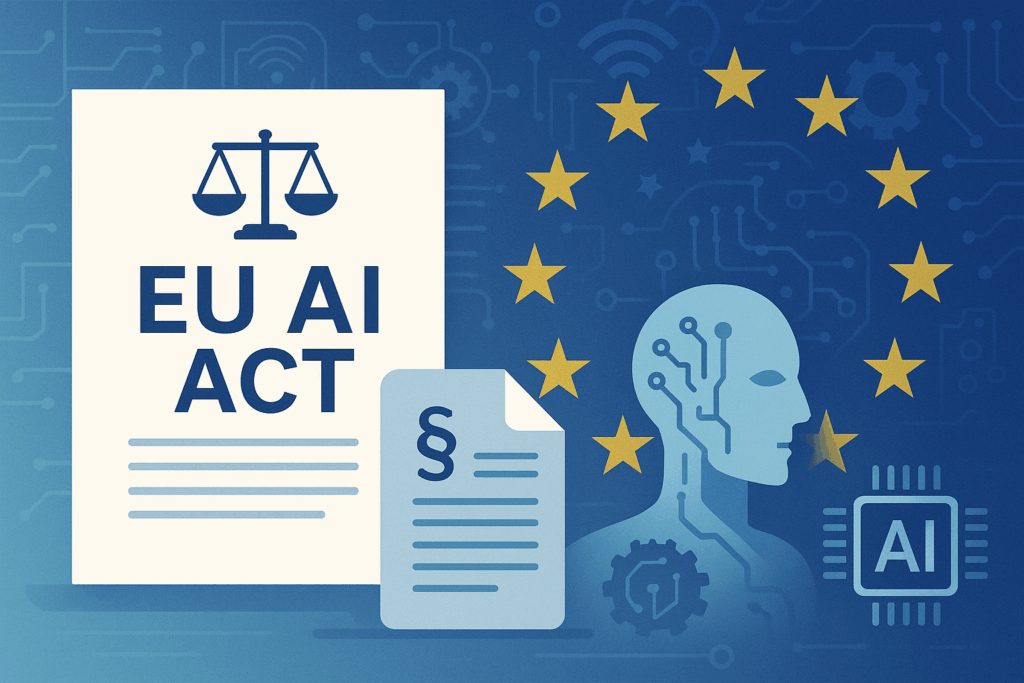
The EU AI Act, now in phased implementation through 2027, introduces a risk-based regulatory framework for artificial intelligence, setting strict compliance rules for high-risk systems and general-purpose AI across the European Union.
Shadow AI in the Workplace

Shadow AI refers to the unsanctioned use of AI tools by employees without organizational oversight. This article explores the risks it poses to compliance and data protection, and provides practical steps to detect and govern its use responsibly—ensuring alignment with the GDPR, the EU AI Act, and internal policies.
AI Act Update: GPAI Code of Practice Not Finalized
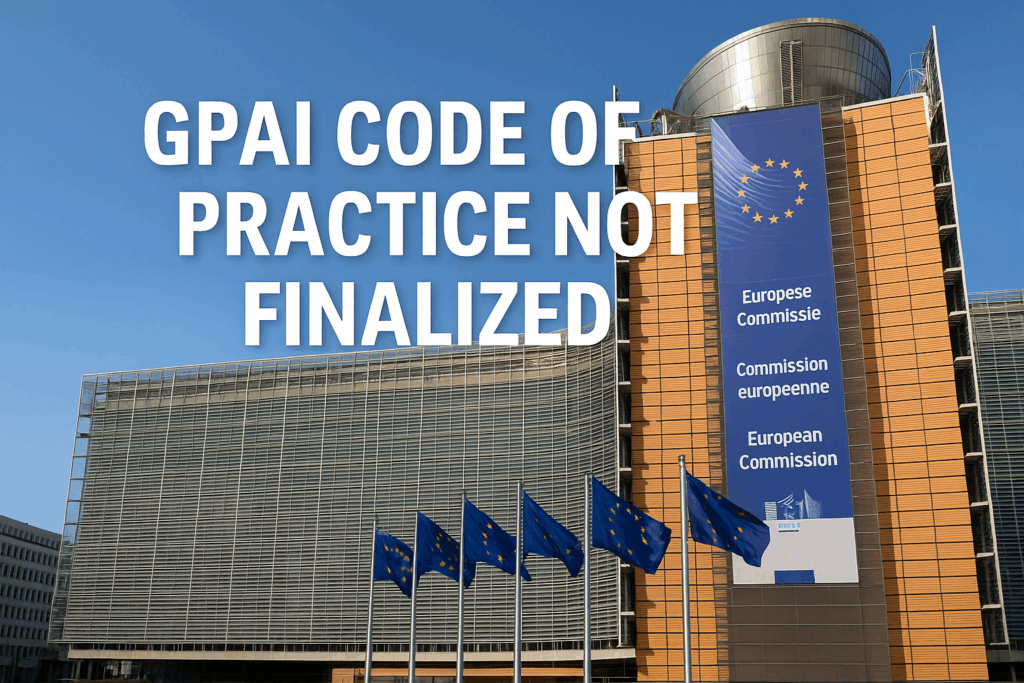
As of May 2, 2025, the EU has not finalized its General-Purpose AI Code of Practice, a key milestone under the AI Act. While the European Commission promises publication before August, the delay reflects mounting tensions between regulation, industry lobbying, and international pressure in shaping AI governance across the EU.
First EU AI Act Rules Now Apply: What Companies Must Know

The first EU AI Act rules took effect on February 2, 2025, requiring companies to ensure AI literacy and eliminate prohibited AI practices. This article explains the key changes, compliance risks, and upcoming regulatory deadlines.
Revoking Executive Order 14110

The revocation of Executive Order 14110 has sparked debate about the future of AI governance in the US. While deregulation may boost innovation, the lack of federal oversight raises concerns about ethics, security, and global leadership in AI policy. Discover the full story and its implications in my latest article.
Comparing U.S. and EU Approaches to AI

With the U.S. focusing on AI innovation and the EU emphasizing regulation, their approaches to artificial intelligence highlight different priorities. This article explores whether these contrasting visions will lead to competition or convergence, as both regions seek to balance technological advancement with ethical standards in shaping the global future of AI.
The EU AI Act – Recent Developments and Future Timeline

The EU AI Act was published last week, marking a significant step in AI regulation. This article provides an overview of the Act’s key events, its future timeline, and the implications for businesses and innovation in the AI sector. Stay informed on how this comprehensive regulatory framework will shape the future of artificial intelligence in Europe.