
The Autonomy Accountability Paradox
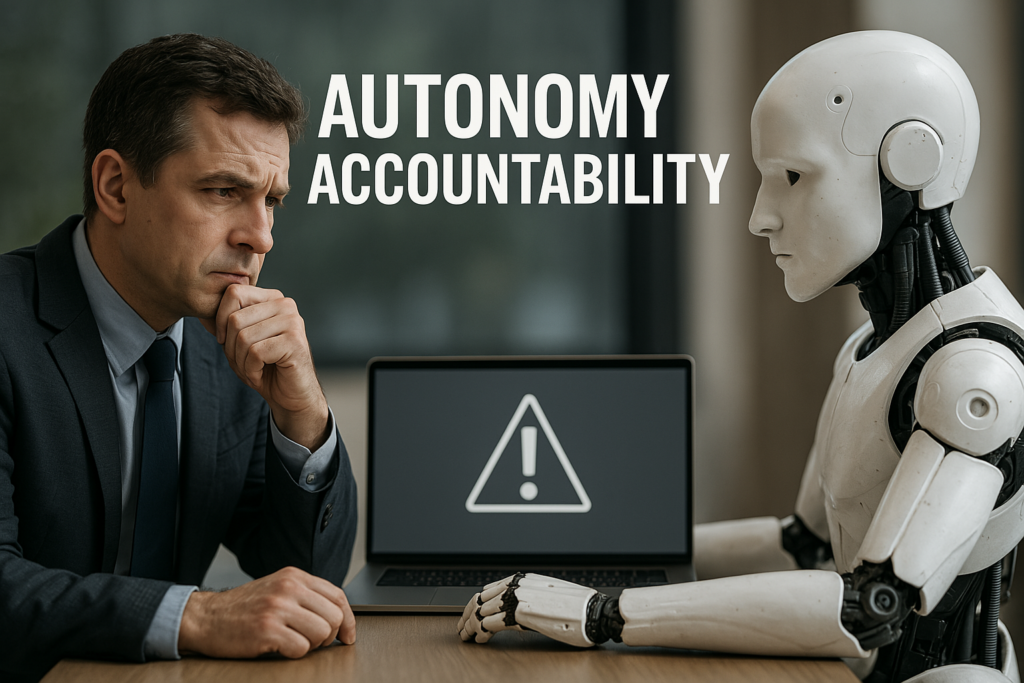
As AI systems take on more decision-making power, humans remain legally and ethically responsible for their outcomes. This disconnect—known as the Autonomy Accountability Paradox—raises urgent questions about control, liability, and governance in an increasingly automated world.
Responsible AI Principles: Ensuring Fairness, Safety, and Transparency in AI Systems

Responsible AI principles ensure fairness, safety, transparency, and accountability in AI systems. By addressing bias, enhancing security, and maintaining human oversight, organizations can build ethical AI that aligns with societal values. Strong governance and continuous monitoring help mitigate risks, fostering trust in AI’s role in critical decision-making and daily life.
The Challenges of AI Compliance

AI compliance ensures transparency, accountability, and fairness in automated systems. Addressing challenges such as explainability, bias, and rapid evolution requires regulatory oversight and ethical considerations. Governance frameworks must evolve to mitigate risks while supporting responsible AI development and deployment.