
Innovation Regulation in AI Governance
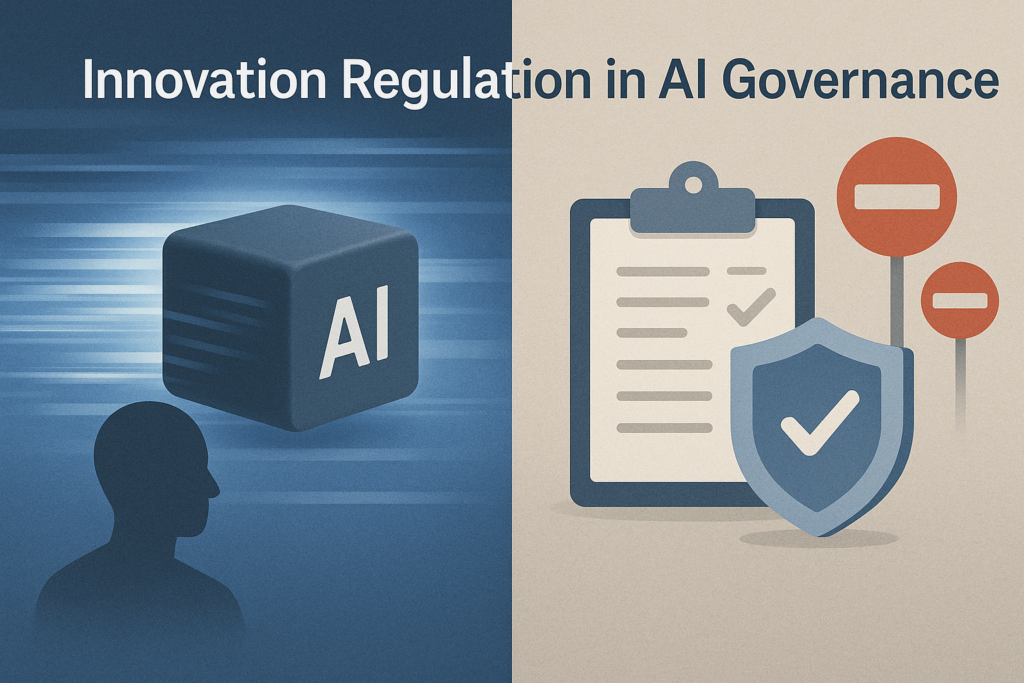
In AI governance, innovation and regulation often collide. While rapid development drives progress, regulatory frameworks demand caution, clarity, and control. This article explores the Innovation Regulation Paradox—how the push for speed can be hindered by compliance needs. It offers strategies for integrating governance into development, enabling responsible innovation without sacrificing agility. The final piece in our paradox series.
The Autonomy Accountability Paradox
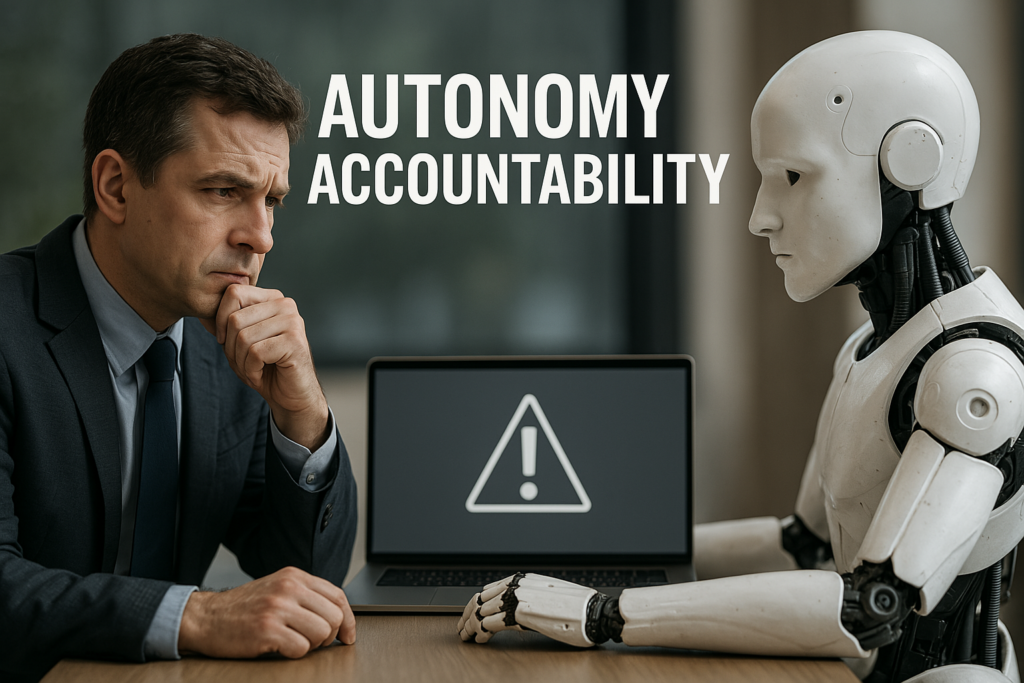
As AI systems take on more decision-making power, humans remain legally and ethically responsible for their outcomes. This disconnect—known as the Autonomy Accountability Paradox—raises urgent questions about control, liability, and governance in an increasingly automated world.
Navigating the Transparency Paradox in AI Governance

The rise of artificial intelligence has introduced a wave of global regulatory frameworks, all demanding greater transparency. At the same time, companies are under increasing pressure to protect the intellectual property behind their AI models. These two forces are fundamentally at odds, creating what has become known as the Transparency Paradox. This paradox is just […]